
RFID Tracking and AI Data Centers: Building Intelligent Infrastructure for the Next Generation of Operations
RFID Tracking and AI Data Centers: Building Intelligent Infrastructure for the Next Generation of Operations
Key Takeaways
- Real-time visibility: RFID tracking provides full-spectrum monitoring of physical assets, improving AI-driven decision-making in data centers.
- Operational efficiency: Integration with AI platforms enhances predictive maintenance, inventory management, and environmental optimization.
- Scalable solutions: FactorySense RFID delivers a unified platform connecting physical infrastructure with enterprise and AI systems for secure, sustainable operations.
Introduction: Why RFID and AI Matter in Modern Data Centers
Data centers underpin artificial intelligence, cloud computing, and digital transformation. As workloads grow more complex and infrastructure becomes more distributed, engineers face increasing pressure to maintain uptime, security, and efficiency.
Traditional monitoring tools focus on digital metrics like CPU utilization, network throughput, and storage capacity. While essential, these tools overlook the physical layer of operations. Servers, racks, cables, spare parts, and mobile assets all require precise tracking and management.
RFID tracking fills this gap. By combining RFID with AI analytics, engineers can achieve unified visibility across physical and digital environments. This integration shifts data center management from reactive troubleshooting to predictive, data-driven operations, particularly valuable for engineers who have seen multiple generations of infrastructure.
Understanding RFID Technology in Data Center Environments
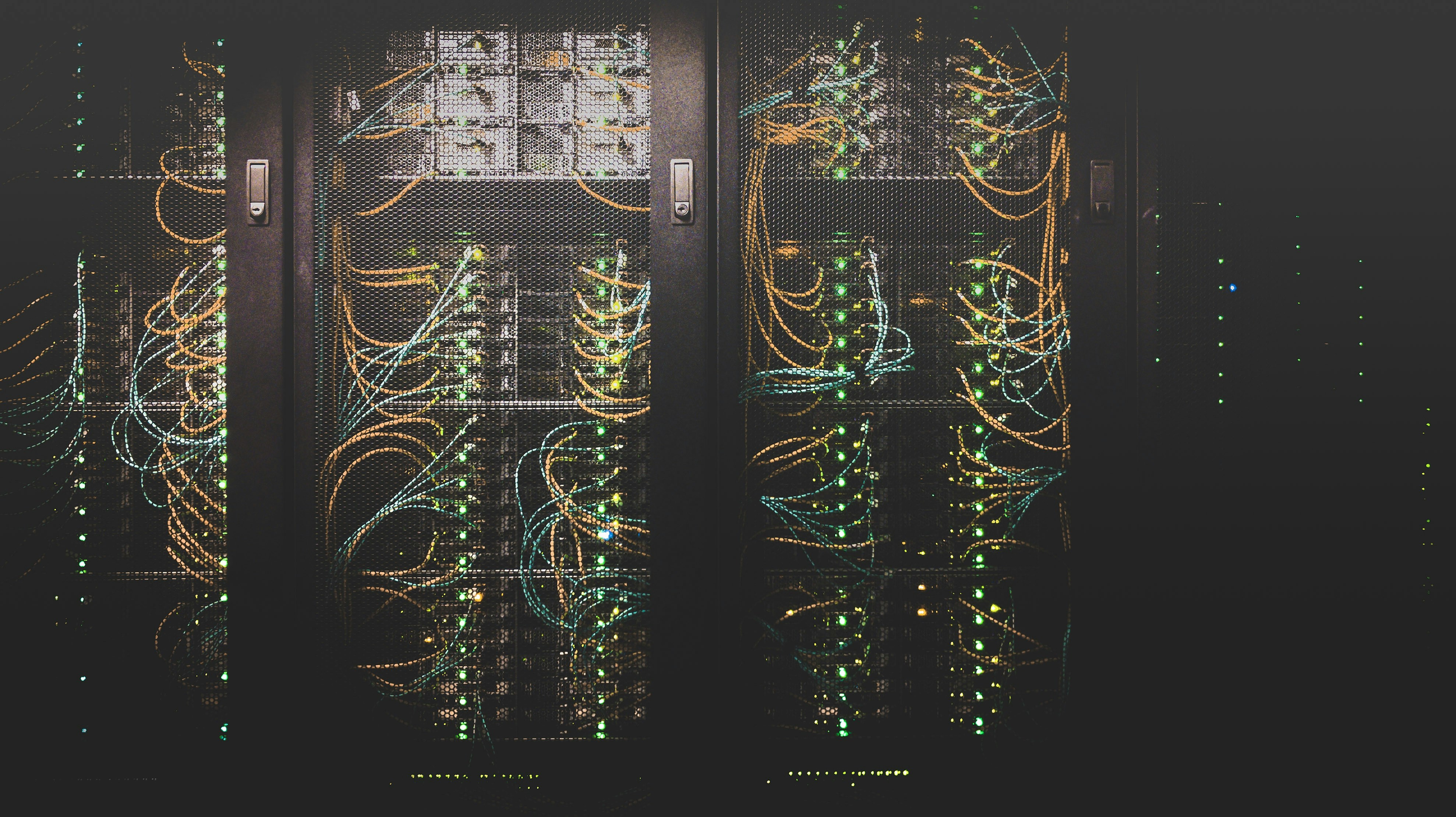
Radio Frequency Identification (RFID) uses radio waves to identify and track tagged objects. Each RFID tag contains a microchip and antenna that communicates with readers installed throughout a facility.
Core RFID Components
A typical RFID deployment in a data center includes:
- Passive or active RFID tags on servers, storage, and critical assets
- Fixed readers mounted on racks, doors, or ceilings
- Handheld readers for audits and maintenance
- Middleware for filtering and processing data
- Integration software to connect with enterprise systems
Unlike barcodes, RFID does not require line-of-sight scanning. Hundreds of assets can be read simultaneously, even in low-light or enclosed environments. UHF passive RFID is commonly used for its extended read range without requiring internal power sources.
Why RFID Fits Data Centers
Data centers provide ideal RFID conditions due to their controlled environments, structured layouts, high-value assets, and regulatory and compliance requirements. These factors ensure consistent accuracy and reliability, making RFID a practical and long-term solution.
The Role of AI in Modern Data Center Operations
AI is central to optimizing data centers. Machine learning models analyze telemetry from servers, storage, networking, and environmental systems to improve performance, reliability, and energy efficiency.
Key AI Use Cases
AI applications include:
- Predictive maintenance
- Load balancing and capacity planning
- Thermal and airflow optimization
- Failure detection and anomaly identification
- Energy management
- Security analytics
However, AI models are only as effective as the data they receive. Missing or inaccurate physical asset data limits the precision of predictions, which is where RFID adds value.
How RFID and AI Work Together
RFID provides real-time data on the physical state of assets, feeding AI systems that optimize operations across the data center. This integration improves resource allocation, streamlines workflows, and enables predictive decision-making.
Asset Lifecycle Intelligence
RFID technology tracks critical data center activities such as server installation, removal, and relocation, along with monitoring spare parts usage and lifecycle, equipment aging, and warranty status. By collecting this detailed information, AI systems can analyze patterns to predict potential failures, optimize replacement schedules, and significantly reduce downtime. For example, if AI detects a trend of failures associated with a batch of relocated servers, it can prompt adjustments in handling procedures and maintenance protocols to prevent further issues, thereby enhancing overall operational reliability and efficiency.
Automated Inventory Management
Manual audits are slow and prone to errors. RFID automates inventory, while AI models forecast shortages, optimize stock levels, prevent overprovisioning, and reduce emergency procurement. This improves capital efficiency and ensures operational continuity.
Environmental and Spatial Optimization
RFID combined with AI helps manage:
- Thermal hotspots
- Rack layouts
- Cooling efficiency
- Workload balancing
This reduces energy consumption and operational costs while maintaining peak performance.
Security and Compliance Benefits
Data centers must protect sensitive workloads while maintaining regulatory compliance. RFID integrated with AI enhances both physical security and reporting.
Physical Access Control
RFID enables precise monitoring of:
- Asset movement
- Unauthorized removal or transfers
- Temporary device access
AI detects unusual patterns and triggers alerts for potential security breaches.
Regulatory Compliance
Data centers often comply with standards like ISO 27001 and SOC 2. RFID tracks asset custody and maintenance, creating audit-ready records. AI systems convert this data into reports, simplifying compliance and reducing administrative overhead.
Supporting Hyperscale, Edge, and Colocation Data Centers

Hyperscale Facilities
Large facilities may contain millions of assets. RFID enables high-speed commissioning, mass reconciliation, automated decommissioning, and lifecycle tracking. AI uses this data to optimize capacity planning and infrastructure investment.
Edge and Micro Data Centers
Distributed facilities often lack onsite staff. RFID and AI enable remote asset visibility, automated diagnostics, self-healing maintenance, and reduced service visits. This is particularly beneficial for telecom, healthcare, and industrial AI deployments.
Colocation and Cloud Data Centers
These facilities rely on managed IT infrastructure. RFID helps track tenant equipment, monitor shared spaces, and enforce service-level agreements, while AI ensures optimal usage of shared resources and energy efficiency.
Integrating RFID with IT and OT Systems
For engineers, seamless integration is essential.
Common Targets
RFID platforms connect with:
- Data Center Infrastructure Management (DCIM) systems
- Enterprise Resource Planning (ERP) software
- Maintenance Management Systems (CMMS)
- IT Service Management (ITSM) tools
- AI and analytics platforms
Architecture Best Practices
Successful RFID integration follows:
- Event-driven data pipelines
- API-first design for flexibility
- Secure authentication and network redundancy
- Edge processing for low-latency operations
Platforms like FactorySense RFID are designed to scale without disrupting legacy systems.
Energy Efficiency in AI-Driven Data Centers
Energy management is critical, especially in hyperscale and AI-intensive operations. AI optimizes energy use by analyzing telemetry and environmental data to adjust cooling and power dynamically. Software-defined infrastructure (SDI) allocates computing and storage resources intelligently, minimizing waste. Integrating RFID improves tracking of operational assets, ensuring systems operate only as needed and supporting sustainability goals.
Proactive Maintenance with RFID and AI
RFID allows real-time tracking of servers, storage, and critical equipment, while AI predicts failures and recommends maintenance before issues escalate. This reduces human error, extends equipment life, and enhances operational reliability. Integration with access controls ensures only authorized personnel interact with sensitive assets, combining security with operational efficiency.
Sustainability and Environmental Impact
Data centers consume significant energy and water and generate electronic waste, making sustainability a critical concern. Green practices such as using energy-efficient and renewable-powered systems, optimizing air-cooling and natural airflow, and incorporating sustainable building materials help reduce their environmental impact. RFID technology supports these efforts by tracking asset lifecycles to ensure equipment is reused, recycled, or disposed of responsibly. When combined with AI, RFID enables data centers to enhance operational efficiency while minimizing their ecological footprint.
Operational Benefits for Engineering Teams
Integrating RFID and AI provides measurable benefits:
Improved Reliability
- Faster fault detection and isolation
- Predictive maintenance
- Reduced human error
- Proactive replacements
Higher Productivity
- Automated audits
- Streamlined provisioning
- Reduced documentation overhead
- Faster troubleshooting
Cost Optimization
- Lower inventory carrying costs
- Reduced equipment loss
- Improved energy efficiency
- Better capital planning
For senior engineers, these advantages translate into stronger metrics and improved decision-making.
Implementation Strategy for RFID in AI Data Centers
A structured approach ensures success:
Phase 1: Assessment and Planning
Identify critical assets, map workflows, define data integration needs, and establish KPIs.
Phase 2: Pilot Deployment
Test representative zones, validate tag performance, and measure read accuracy.
Phase 3: System Integration
Connect RFID to DCIM and AI platforms, configure event rules, and train staff.
Phase 4: Scale and Optimize
Expand coverage, refine analytics, automate workflows, and continuously monitor performance.
This phased approach prioritizes long-term scalability over temporary fixes.
The Future of RFID and AI in Data Centers
Emerging trends in data centers include digital twins powered by real-time RFID, autonomous maintenance systems, and AI-driven facility self-optimization. Innovations such as blockchain-based asset provenance and advanced sensor fusion are enhancing operational transparency and intelligence. Additionally, cost-efficient RFID tags, printers, and software are making these technologies more accessible. As AI workloads become increasingly mission-critical, integrating physical and digital infrastructure will provide a significant strategic advantage.
Why FactorySense RFID Supports Intelligent Data Centers
FactorySense RFID unifies physical asset tracking with enterprise and AI systems. Its platform offers:
- Industrial-grade reliability
- Scalable architecture
- Secure integrations
- Advanced analytics
- Long-term lifecycle management
For data center engineers managing complex AI workloads, FactorySense enables sustainable, efficient growth without compromising visibility or control.
Conclusion: Building Resilient AI Infrastructure with RFID
As AI transforms digital infrastructure, data centers must evolve beyond traditional monitoring. Engineers need unified visibility across physical and digital layers to maintain efficiency, reliability, and security.
RFID tracking, integrated with AI platforms, provides this visibility. It converts static facilities into adaptive, intelligent systems capable of real-time responses to operational challenges.
For next-generation AI data centers, RFID is essential—a foundational technology enabling scalable, secure, and sustainable operations.
Frequently Asked Questions
How does RFID improve AI data center efficiency?
RFID provides real-time visibility of assets, feeding AI analytics to enable predictive maintenance, inventory automation, and optimized layouts, increasing uptime and reducing costs.
Is RFID safe for sensitive electronic equipment?
Yes. Modern RFID operates at safe power levels that do not interfere with servers or networking equipment. Proper design ensures regulatory compliance.
How long does it take to deploy RFID in a data center?
Deployment typically takes 3–9 months, depending on facility size and integration complexity. Pilot projects can be completed within weeks.