
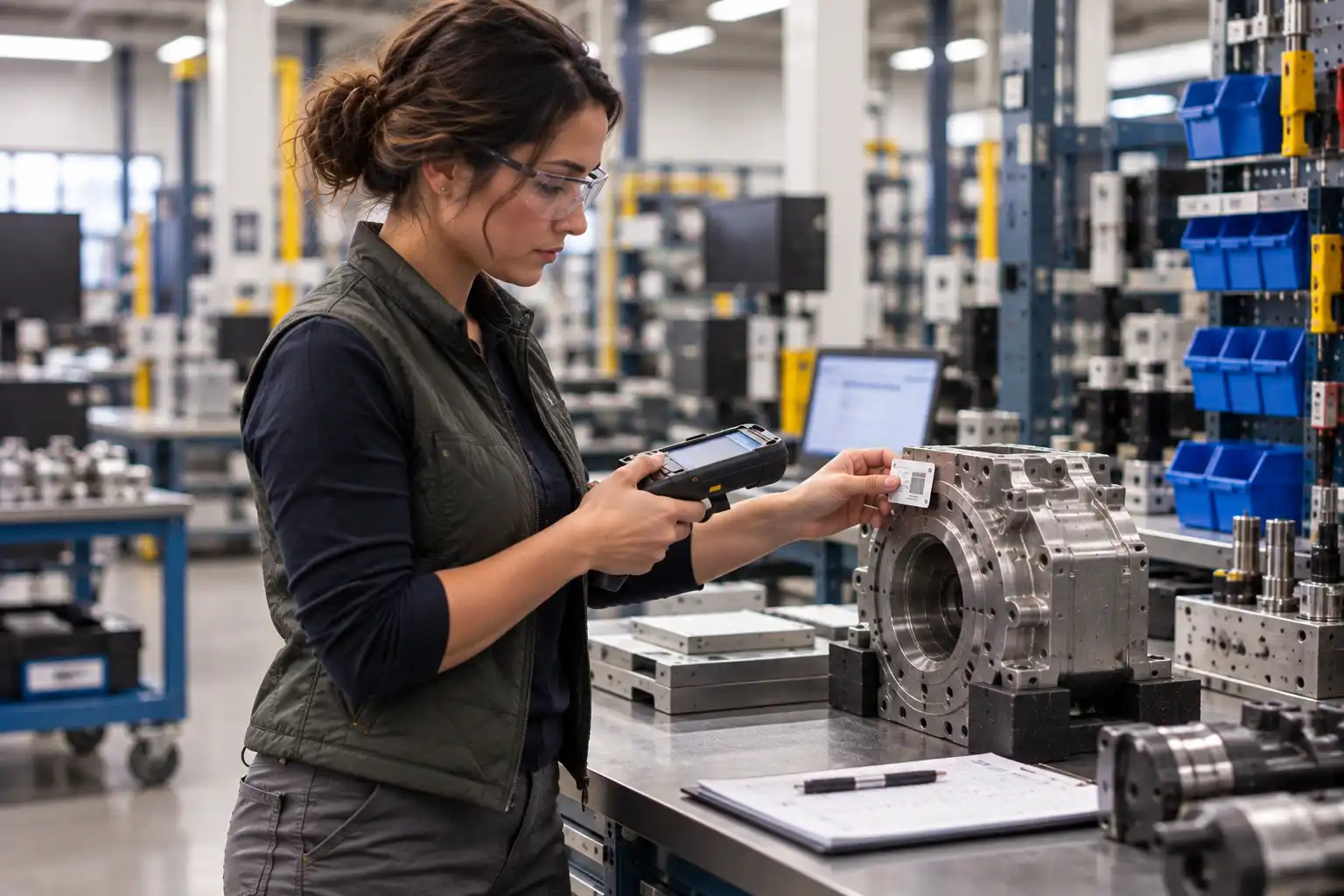

RFID solutions for the work your operation needs to track.
FactorySense designs industrial RFID systems for asset tracking, work in process, inventory, calibrated tools and composite materials. Start with the operating problem, then connect reliable physical observations to the software and enterprise records your team uses every day.
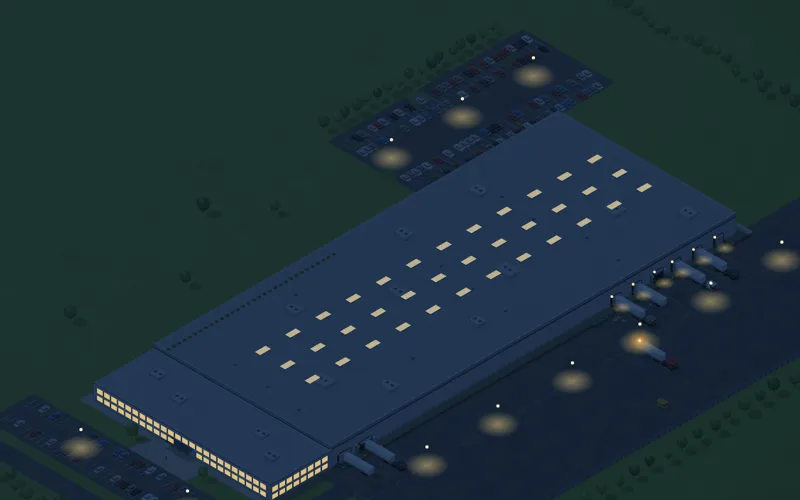
What do you need to track?
RFID asset tracking
Locate tools, fixtures, carts and equipment using RFID observations at defined read points and handheld search. Choose asset tracking when teams lose time finding what they need or reconstructing who moved it. Connect last-seen location and movement history to the asset record, with coverage designed around how assets travel through your facility.
RFID work-in-process tracking
Track parts, subassemblies and travelers as they pass selected production checkpoints. Choose WIP tracking when missed scans or delayed updates leave planners and floor teams working from different records. Turn reader observations into process events linked to work orders, so teams can review stage, dwell time and movement history in the context of production.
RFID inventory management
Capture selected inventory movements and use handheld RFID for counts, spot checks and exception searches. Choose inventory management when receiving, replenishment or line-side movement depends on transactions that are often missed. Associate tagged units and containers with material records, then connect verified events to ERP or WMS workflows to reduce reconciliation work.
Calibrated tool management
Bring tool location, check-out history and calibration due dates into the same operating workflow. Choose calibrated tool management when finding a gauge or torque tool is only part of the problem: technicians also need its approved status. RFID supplies identity and movement evidence, while the authoritative calibration record determines whether the tool is ready for use.
Composite material tracking
Track prepreg rolls, kits and work orders across storage and selected production transitions. Choose composite material tracking when identity and movement history become harder to preserve as a roll becomes a kit and a kit enters production. Connect RFID events with lot, work order and material-control records to support genealogy, freezer transfers and prepreg out-time workflows.
RFID warehouse tracking
Follow tagged materials through receiving, putaway, staging, transfers to production and shipping. Choose warehouse tracking when teams need to know where material moved and whether the warehouse record caught up. Combine fixed read points with handheld counts and searches, then send confirmed movements to your ERP or WMS.
A complete system behind every application.
FactorySense brings RF engineering, hardware, FactorySense.io software, enterprise integration, deployment and support together. We define what each read should mean, test it in the operating environment and connect the result to the right workflow. Explore our delivery services, or see how the applications fit your industry.
See how these applications work in practice.

Asset visibility across 46 buildings
How Northrop Grumman used fixed and handheld RFID to improve asset visibility across 46 buildings and more than 1.5 million square feet at Space Park.
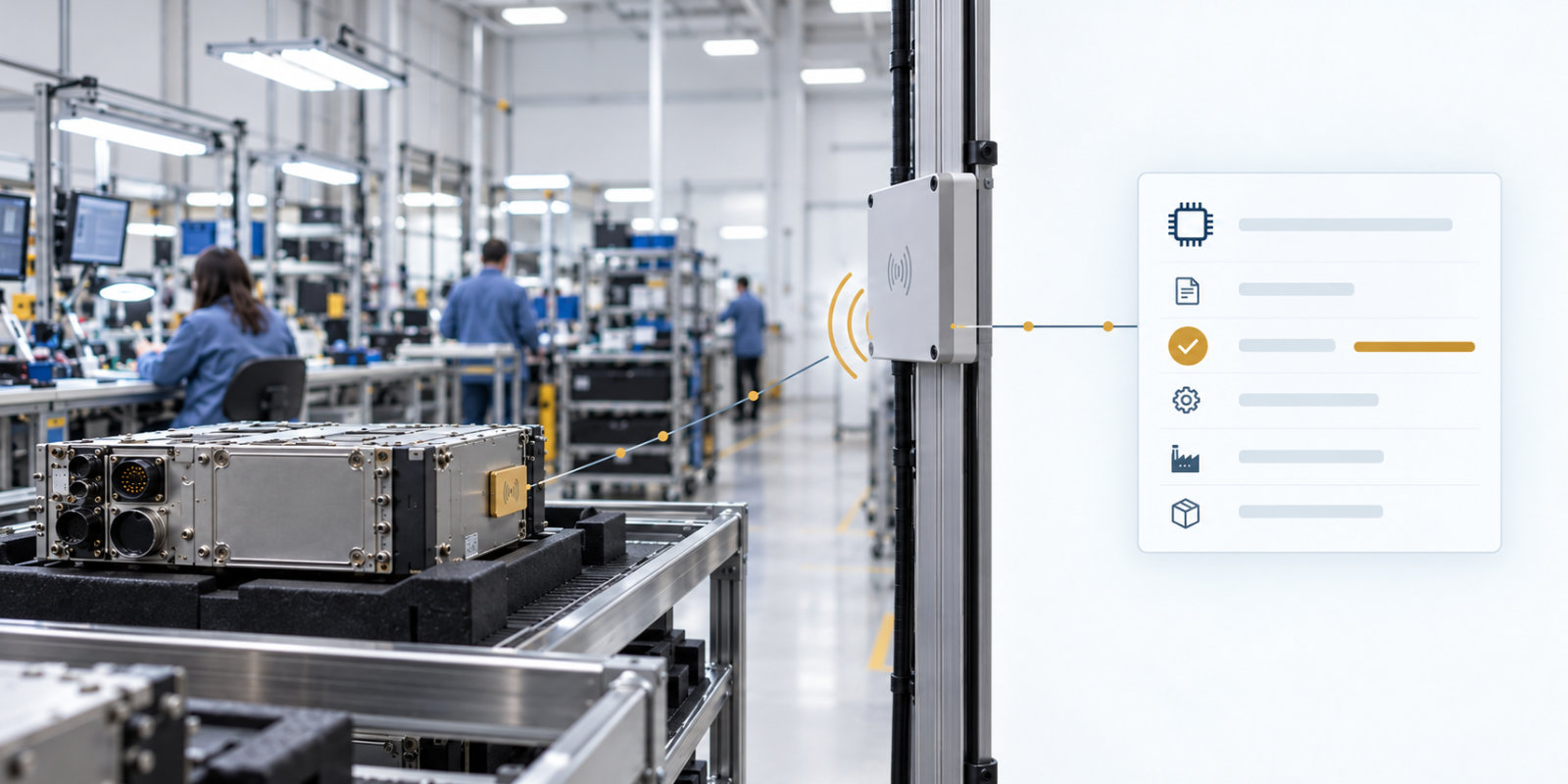
Rebuilding an RFID system people could trust
How Honeywell Aerospace replaced an unreliable active RFID deployment with passive RFID, removing battery maintenance and restoring confidence in WIP data.

Automating inventory movement at production speed
How a Tier 1 automotive supplier automated selected inventory movements with RFID, improving inventory accuracy and cutting manual audit time by more than 70%.
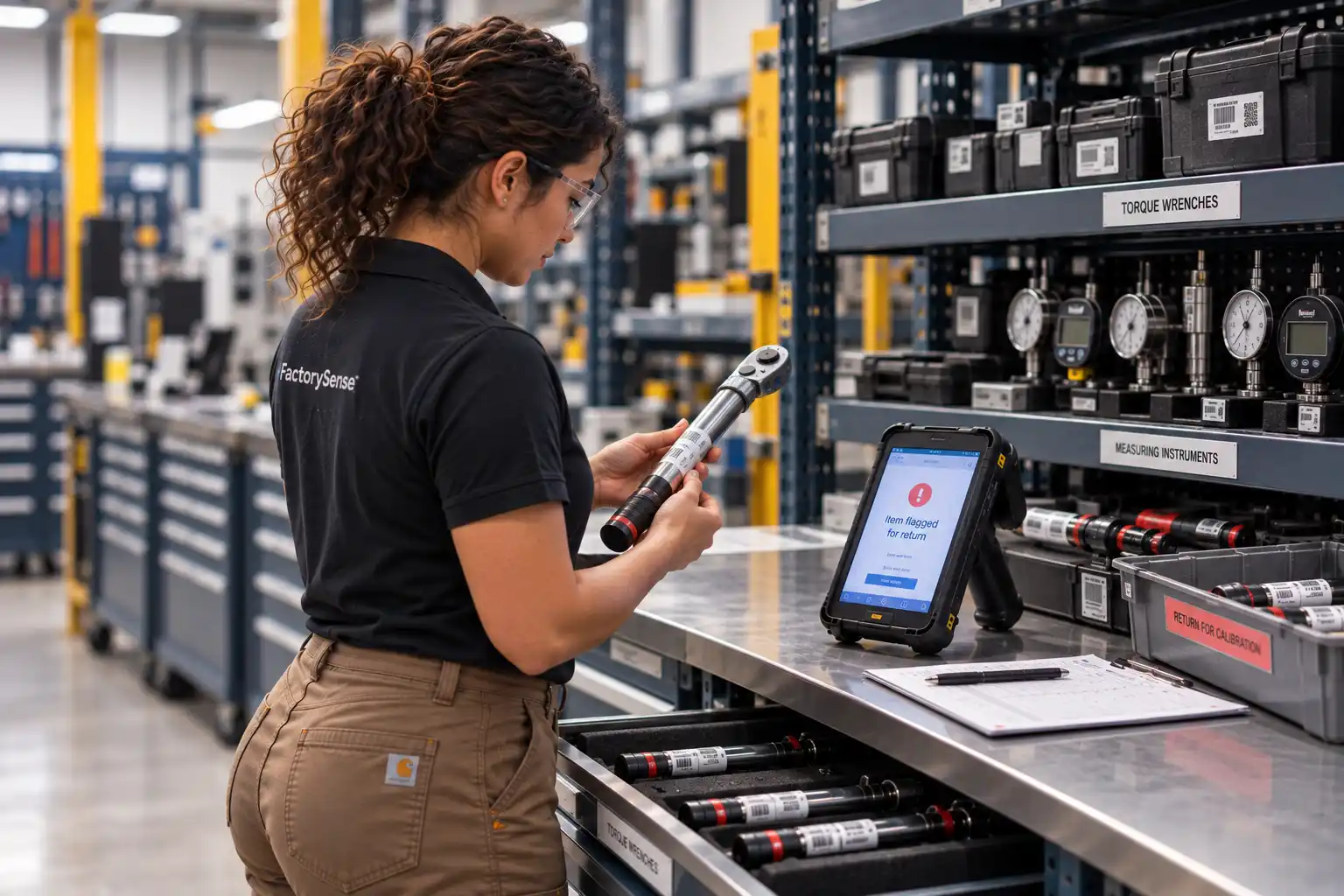
Location and calibration status in one operating record
How a global heavy equipment manufacturer combined RFID location data with calibration status, cutting tool retrieval time 73% and improving calibration compliance 64%.

Preserving material identity through production
How an advanced composites manufacturer used RFID to preserve material identity and movement history from receiving through production, improving inventory accuracy and reducing search time.
Choosing the right starting point.
Practical answers about application scope, location detail and connecting RFID to existing systems.
Which RFID solution should we start with?+
Start with the operating decision that is hardest to make today. Asset tracking answers where equipment was last seen. WIP tracking follows production movement. Inventory management keeps material observations aligned with inventory records. Calibrated tool management combines location with approved status, while composite material tracking preserves identity through storage and production. Define the workflow and measure the current problem before choosing hardware.
What is the difference between RFID asset tracking and inventory management?+
Asset tracking usually follows individually identified equipment, tools or containers over their useful life. Inventory management follows material or stock as it is received, stored, consumed and shipped. The same RFID infrastructure can support both, but the identity model, events and enterprise records should match the operating workflow.
Do we need a new ERP to use RFID?+
An RFID deployment can connect to an existing ERP, MES, WMS or EAM. FactorySense evaluates the available interfaces, record ownership and transaction rules, then turns reader observations into useful business events. The integration scope depends on your system and workflow; it is defined before rollout.
Does RFID provide an exact location for every item?+
Location detail depends on the technology and read-zone design. Passive RFID commonly records presence at a defined checkpoint, zone or last-seen location. Handheld search helps locate a specific tagged item within an area. If you need continuous positioning, that requirement should be assessed separately and tested in the facility.
Can one RFID system support several applications?+
Yes, shared readers, tags and software can support more than one application when asset identities, read zones and event rules are designed together. Honeywell Aerospace expanded its passive RFID WIP infrastructure to carts and tooling after the initial workflow stabilized. Expansion should follow validated results and a defined integration scope.
How do you validate an RFID solution before deployment?+
FactorySense starts with the assets, environment, workflow and systems that the deployment must support. A site assessment and representative testing help evaluate tag placement, read coverage and event accuracy. The team agrees on success criteria, tests the operating workflow and resolves gaps before broader rollout.
Let’s define the tracking problem worth solving.
Tell us what you need to track, where the workflow breaks down and which systems are already in place. We’ll help define the scope and the next step.