Can RFID Tags Be Reused? When Reuse Works and When It Does Not


- Many passive RFID tags can be reused if the physical tag survives and the writable identifier has not been permanently locked or the tag killed.
- The TID identifies the tag or chip itself and is not the same thing as the business identity typically stored in EPC memory.
- Reuse requires a controlled reassignment process so old asset, lot, ownership and event history are not accidentally attached to the new object.
Yes, many RFID tags can be reused, but the radio chip is only one part of the decision. The tag has to remain physically sound, its writable memory has to support the intended reassignment and the software must break the old relationship before creating a new one. Reuse without that identity discipline can produce a perfectly readable tag attached to the wrong business history.
Physical reuse comes first
A rugged hard tag bolted to a returnable container is an obvious reuse candidate, while a thin label torn from a corrugated carton may not survive removal. Adhesive, enclosure, antenna integrity and the new mounting surface all affect whether the reused tag will perform consistently. The tag lifespan guide explains why the tag construction often fails before the passive chip itself.
Writable memory does not mean every field should change
GS1 describes RAIN RFID memory as separate banks with different purposes. EPC memory normally carries the business identifier, while TID memory identifies information about the tag or chip itself and reserved memory can contain access and kill passwords. A reuse process should understand which identifier is being reassigned rather than treating every memory bank as interchangeable.
Some EPC or user memory can be rewritten if the chip supports it and the memory has not been permanently locked. The exact rules depend on the tag and security state, so bulk reassignment should be tested before it becomes an operating procedure. A password-protected kill command is different because it permanently silences the tag and makes later reuse impossible.
The software relationship is the bigger risk
Suppose EPC 123 was assigned to a shipping tote and later the physical tag is moved to a tool. If the old tote record still resolves EPC 123, every future read can contaminate location history and custody data. A controlled reuse workflow should retire or close the old association, verify the tag, create the new association and preserve historical records without merging the two objects.
This is why many industrial systems use the tag as a stable identifier and keep rich state in software. The integration layer can preserve the lifecycle of the old object while giving the reused tag a new current relationship. The data model matters more than how easy it is to press a write command on the reader.
Reuse is especially natural for returnable assets
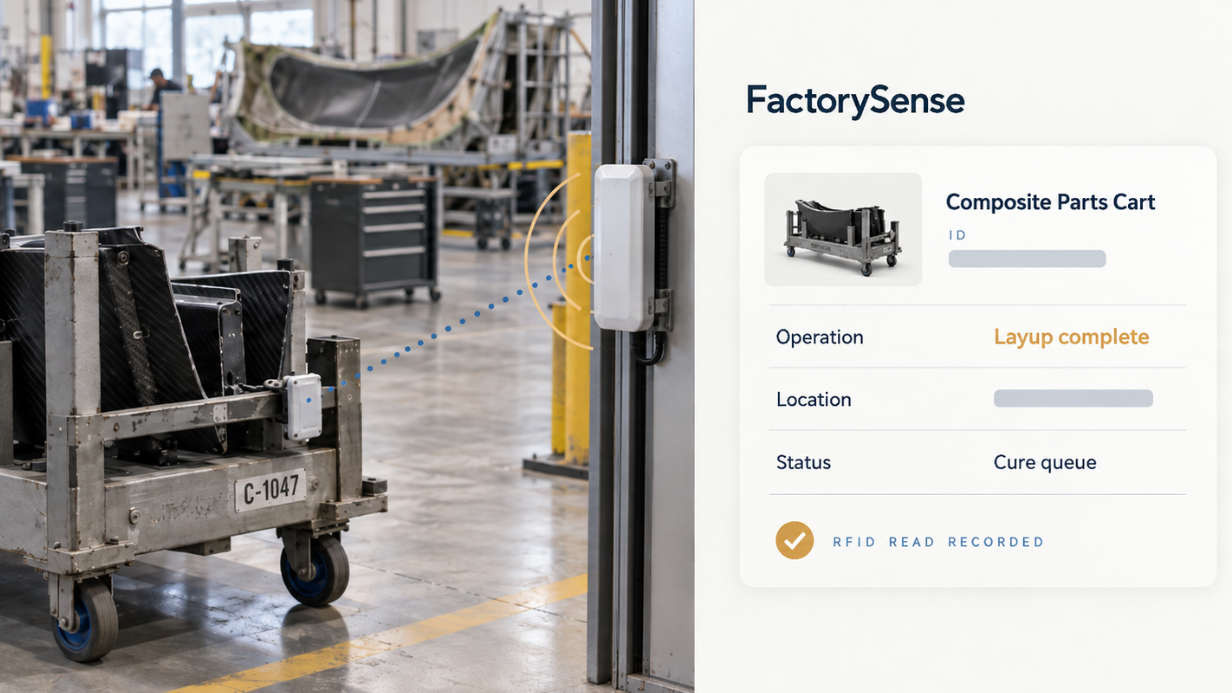
Containers, pallets, racks, carts, fixtures and reusable tools are often tagged once and then used for many cycles without changing the tag's identity. In that model the asset is reusable, so the RFID tag remains permanently associated with it and no rewriting is necessary. Reassigning one loose tag from object to object is a different workflow and carries more data-governance risk.
When replacement is safer
Replace the tag when physical removal may damage the antenna, when the new surface changes RF performance, when the memory state is uncertain or when the cost of a wrong identity exceeds the savings from reuse. Low-cost disposable labels are often cheaper to replace than to inspect, erase, verify and reissue individually. Reuse is most attractive when the tag is durable, intentionally recoverable and supported by a controlled software process.
Sources and further reading
Can you rewrite an RFID tag?
Many passive UHF tags allow EPC or user memory to be written, but exact capabilities depend on the chip and how its memory has been locked. Some fields such as TID identify the tag itself and should not be treated as a freely reassigned business identifier.
Can a killed RFID tag be reused?
No. Under the Gen2 model, the password-protected kill command permanently silences the tag so it no longer responds to later commands. A killed tag should be treated as retired.
Is reusing a tag the same as recycling it?
No. Reuse means putting the same functioning tag back into service, while recycling concerns recovery or disposal of materials. A tag can be physically reusable even if the surrounding label, adhesive or product packaging is not.
Schedule a complementary working session with an RFID professional to discuss your floor or yard, your systems of record, and where the visibility gap between them is costing you.
Book a session