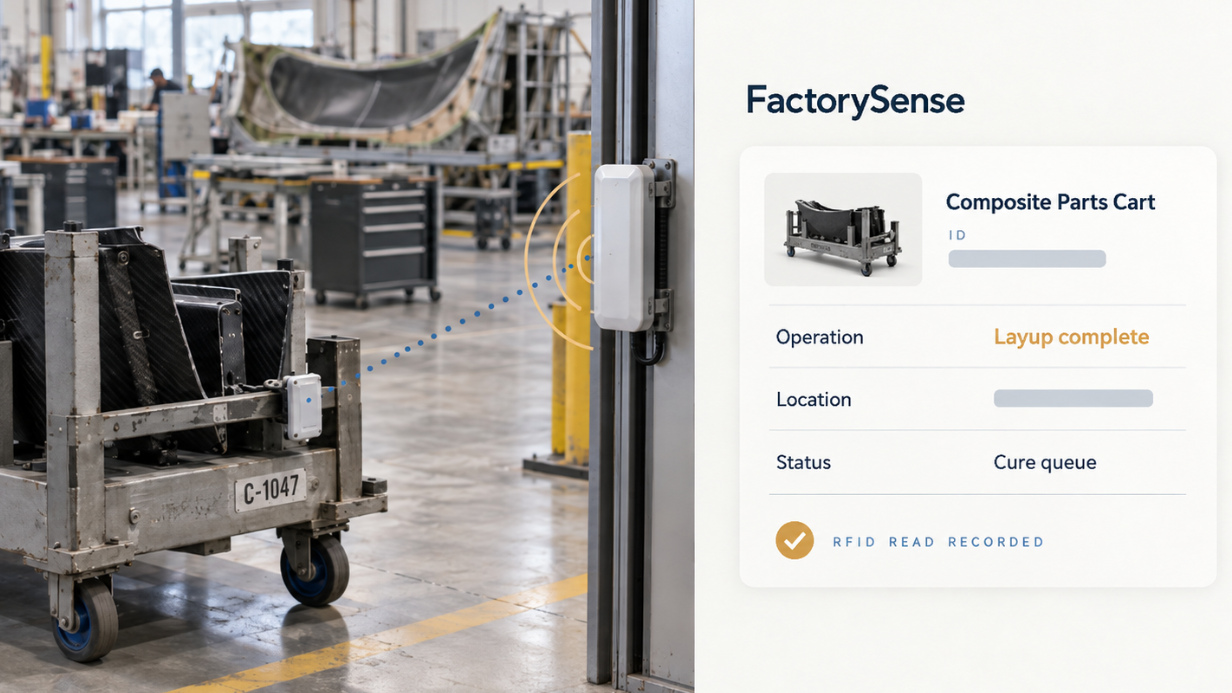
Honeywell Aerospace: Rebuilding WIP Tracking with Passive RFID

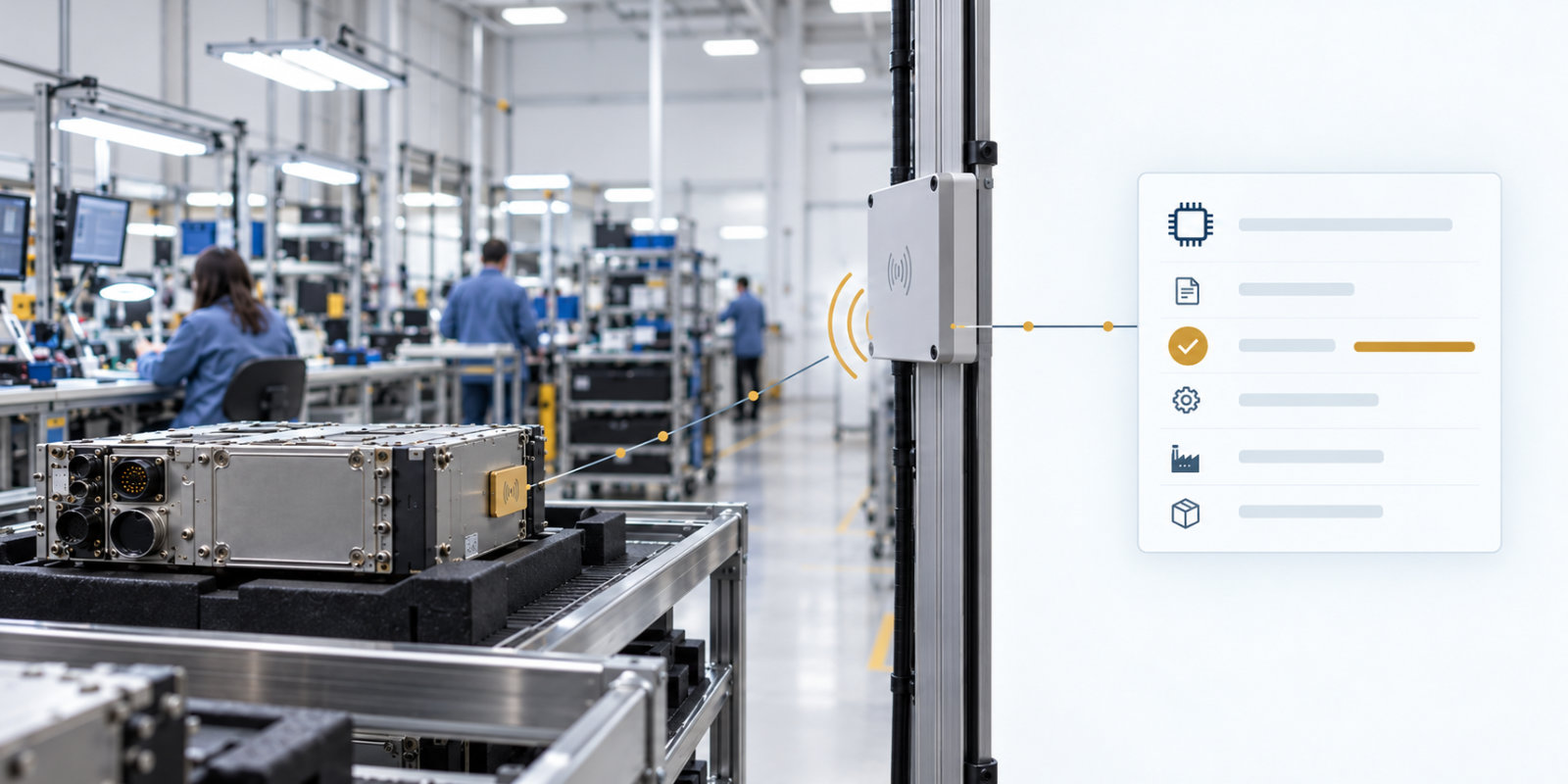
- Honeywell Aerospace replaced a battery-dependent active RFID WIP system that had become difficult to maintain and trust.
- FactorySense redesigned the read points, tags, event logic and integration around passive RFID rather than simply swapping hardware.
- After the WIP system stabilized, Honeywell Aerospace expanded the same infrastructure to carts, tooling and other mobile assets.
The first RFID system had become part of the problem
Honeywell Aerospace was already using RFID to track work in process, so the engagement did not begin with a blank sheet of paper. The existing system used active tags, but battery maintenance, inconsistent coverage and unreliable data had gradually reduced confidence in it. A tracking system that employees do not trust eventually creates another manual process around itself.
Honeywell Aerospace brought FactorySense in to determine whether the existing program could be recovered. The answer was not a simple reader replacement. The failure had to be separated into its component parts: tag behavior, read-zone coverage, event logic, data integration and the way operators were expected to use the result.
The redesign moved WIP tracking to passive RFID
FactorySense replaced the battery-powered tag model with passive RFID at controlled process points. That removed battery maintenance and simplified the tag population, but the more important change was the architecture around the reads.
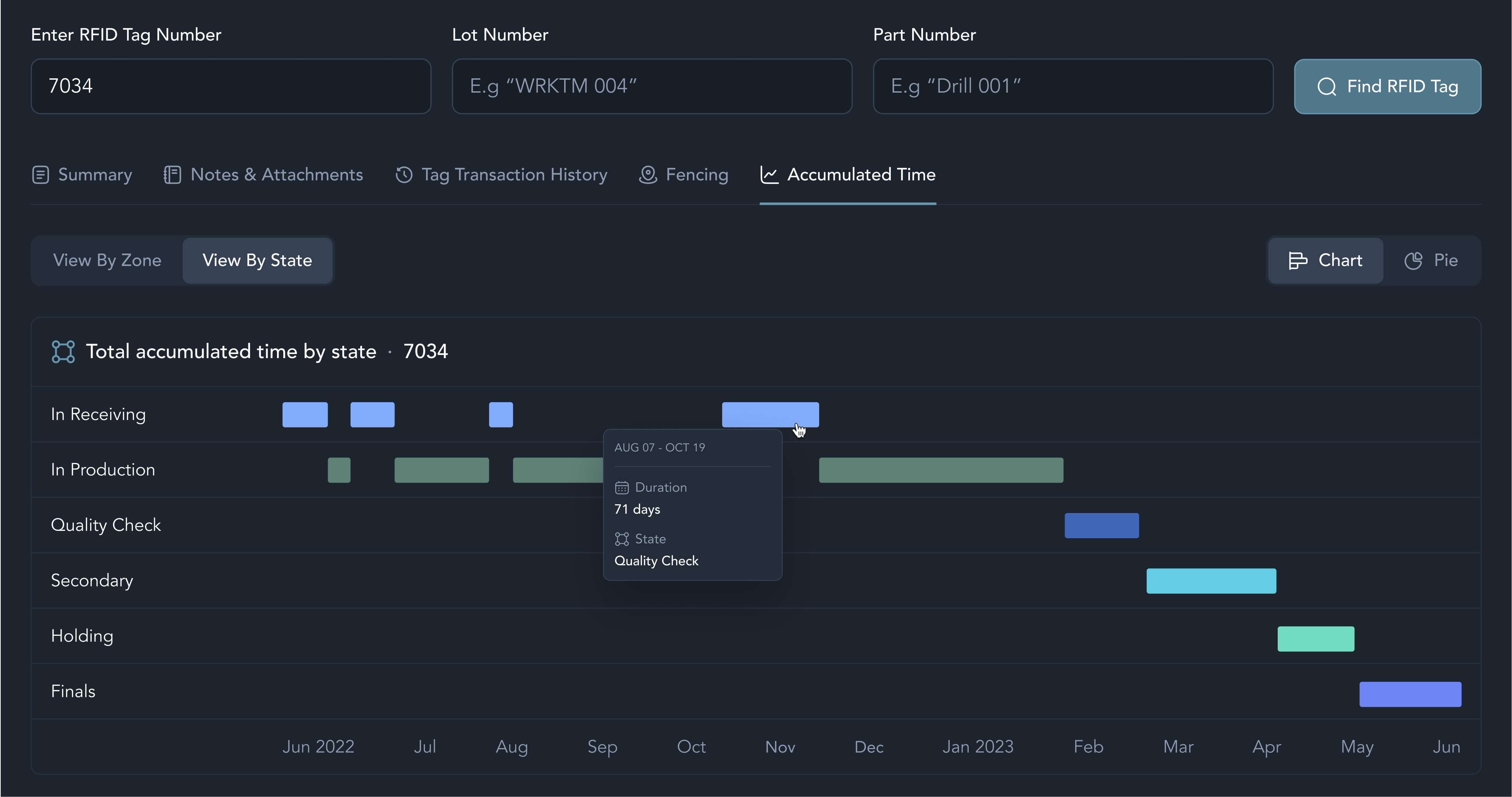
Reader placement and antenna coverage were redesigned around actual work movement. The software filtered repeated observations and converted them into events the production process could use. FactorySense.io then presented WIP status and history without asking users to interpret raw reader data.
Reliability mattered more than adding features
The new system gave floor personnel a more dependable way to see work orders moving through the facility and reduced the maintenance burden created by active-tag batteries. As confidence in the data returned, the RFID infrastructure became useful for more than the original WIP problem.
“The level of service from FactorySense is exceptional. Their quick response time and willingness to go above and beyond are truly appreciated. We have seen substantial cost savings since switching to FactorySense from our previous RFID solution. The FactorySense RFID solution is user-friendly and accurate. It has streamlined our operations and reduced errors.”
Adam Overbo, Materials Manager
The same infrastructure expanded to mobile assets
Honeywell Aerospace subsequently extended the system to carts, tooling and other movable assets. That expansion is significant because it followed the stabilization of the core WIP workflow rather than being added to an unreliable foundation.
The result was a shared RFID infrastructure that could support several physical-visibility use cases while keeping the event logic and software layer consistent.
What this deployment shows
A failed RFID implementation does not automatically mean RFID was the wrong technology. Sometimes the failure is the tag type, read-zone design or integration architecture. Sometimes the process is asking the hardware to prove something it cannot reliably observe.
The useful response is to diagnose those layers separately. Our guide to why RFID systems fail and how to diagnose them describes that approach in more detail. CAES is a practical example of why redesigning the complete physical-to-digital chain can matter more than replacing one component.
Why did Honeywell Aerospace replace its active RFID system?
The existing WIP system had become difficult to maintain because of battery requirements, inconsistent coverage and unreliable data. Those problems reduced confidence in the tracking system.
What changed in the FactorySense redesign?
FactorySense moved the WIP workflow to passive RFID at controlled process points and redesigned reader placement, tag selection, event logic and software integration around the actual production process.
Did Honeywell Aerospace use the RFID system for anything beyond WIP?
Yes. After the WIP deployment stabilized, Honeywell Aerospace expanded the same RFID infrastructure to carts, tooling and other mobile assets.
Schedule a complementary working session with an RFID professional to discuss your floor or yard, your systems of record, and where the visibility gap between them is costing you.
Book a session